
ARGENTINA, PERU OR CHILE FOR A FIRST TIME TRIP TO SOUTH AMERICA?

South America is one of those parts of the world that people often talk about as though it’s one big interchangeable “bucket list” trip.
In reality, choosing between Peru, Argentina and Chile is a bit like saying: “Should I go to Japan, Italy or Iceland?”
They may sit on the same continent, but they feel completely different once you’re actually there — not just in scenery and culture, but in how the trip itself unfolds.
And that matters more than people sometimes realize when planning a first time trip to South America.
Because one of the biggest differences between a good long-haul holiday and a brilliant one is often the rhythm of the trip. How much moving around is involved. Whether it feels adventurous or exhausting. Whether you want iconic sights every day, or something slower and more atmospheric.
These are usually the three countries people start with when considering South America — and all three are fantastic first trips. But they suit different types of traveller.

Peru – the easiest place to begin
If someone tells me they’ve never been to South America before and are feeling slightly nervous about where to start, Peru is often the easiest recommendation.
Not because it’s “easy” in the sense of dull or overly touristy — far from it — but because the route through the country is relatively straightforward and naturally structured.
It’s also one of the best introductions to South America as a whole. In one trip you get a real sense of the continent’s history, the Andes, indigenous cultures, dramatic landscapes and ancient civilisations — all without needing to cover enormous distances.

Most itineraries follow a fairly clear pattern: Lima → Sacred Valley → Cusco → Machu Picchu.
There’s a reason for that. It works.
You’ve got a strong mix of history, scenery, culture and genuinely iconic sights, but without constantly feeling as though you’re packing and unpacking every five minutes.
It’s also one of the easier South American trips to get your head around logistically.
People often worry that Machu Picchu will feel overdone or too “touristy”, but honestly? There’s a reason it’s famous. The setting is extraordinary. I revisited it last year for the first time in nearly 30 years — and despite there being far more visitors than on my original trip, it still absolutely lived up to the memory.
Peru also works very well if you only have around 10–12 nights and want a trip that feels substantial without becoming overwhelmingly complicated.

If you’ve got a little longer for the trip, I’d also strongly recommend including Lake Titicaca. I’ve visited both the Peruvian and Bolivian sides over the years and it’s a fascinating place — vast, peaceful and unlike anywhere else I’ve been. And the night sky there is something else entirely.
That said, altitude is something to think about properly — particularly around Cusco and in Lake Titicaca — and pacing matters more than people sometimes expect.

Argentina – bigger, bolder and far more spread out
Argentina is actually my personal favourite South American country — and I’m heading back again this autumn.
The challenge with Argentina is scale.
People often look at a map and think:“Buenos Aires, Iguazú Falls and Patagonia — that seems manageable.”
Then you realise Patagonia alone is enormous.

Unlike Peru, where the route naturally flows quite neatly, Argentina is usually about stitching together several completely different regions:– Buenos Aires– Iguazú Falls– Mendoza– Patagonia– perhaps even the Lake District or Salta in the north west. Which means domestic flights often become part of the trip rather than an afterthought.
That’s not necessarily a bad thing — some people love that sense of contrast and movement — but it creates a very different feel from Peru.
You’re not following one historic route. You’re building a collection of experiences.
And those experiences can be wildly different from one another.
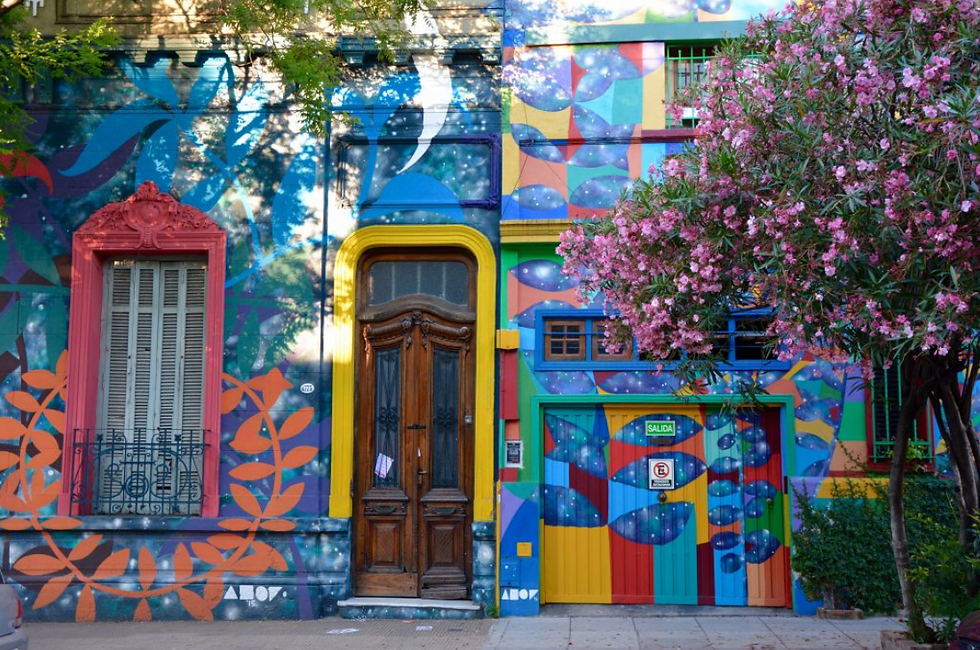
Buenos Aires feels elegant, energetic and European in places. Iguazú is dramatic and tropical. Patagonia is all glaciers, mountains and huge open landscapes.
It’s often the best fit for people who say:“I don’t just want one thing from this trip.”

Chile – less obvious, but incredibly rewarding
Chile is probably the hardest of the three to explain quickly — partly because it’s less about headline attractions and more about atmosphere and landscapes.
People don’t usually choose Chile because they’ve dreamt of one specific landmark since childhood.
They choose it because they love nature, scenery and the feeling of being somewhere remote and unusual.
It’s also probably the least overtly “South American” in feel of the three — more developed and sophisticated in many ways, with a calmer, more understated atmosphere than people sometimes expect.

The country itself is absurdly long and thin, stretching from the Atacama Desert in the north all the way down to Patagonia in the south.
And those landscapes are completely different from each other.
The Atacama feels otherworldly — salt flats, volcanoes, huge skies and desert scenery that barely looks real at times.
Patagonia, meanwhile, is dramatic, windswept and properly wild.
And then there’s Easter Island — still firmly on my own bucket list — sitting thousands of miles out in the Pacific and adding yet another completely different dimension to the country.

Chile tends to suit travellers who enjoy the journey as much as the “sights”. It’s less about ticking off famous landmarks and more about the overall experience of the trip.
It can also feel calmer and less hectic than Peru in places, particularly for people who don’t want every day to feel heavily scheduled.

So which is best?
Honestly, there isn’t a “best”.
The right choice depends much more on:– how you like to travel– how much moving around you enjoy– whether you’re more interested in culture, scenery or variety– and how long you realistically have
Peru is often the clearest and most straightforward first introduction.
Argentina usually suits people who want contrast, energy and bigger-scale travel.
Chile tends to appeal to people who are drawn to landscapes and atmosphere rather than headline “must-sees”.
And of course, once people start looking properly, combinations often creep in too.
That’s usually the point where South America stops being “a holiday” and starts becoming a much more interesting conversation.


Comments